When a fresh release lands, the noise around it can drown out the details that actually matter to your bankroll. I’ve spent years watching how Playtech-style presentation shapes what a player notices in the first minute, and that art-direction lens matters here. This casino game review 21 plus 3 walks through the questions worth asking before you commit a single dollar. The game leans on a polished card table aesthetic with warm lighting and a tidy layout, but the real test is whether the mechanics suit your habits. Read on if you want a clear-eyed way to decide, not a sales pitch dressed up as advice.
What kind of player is this built for
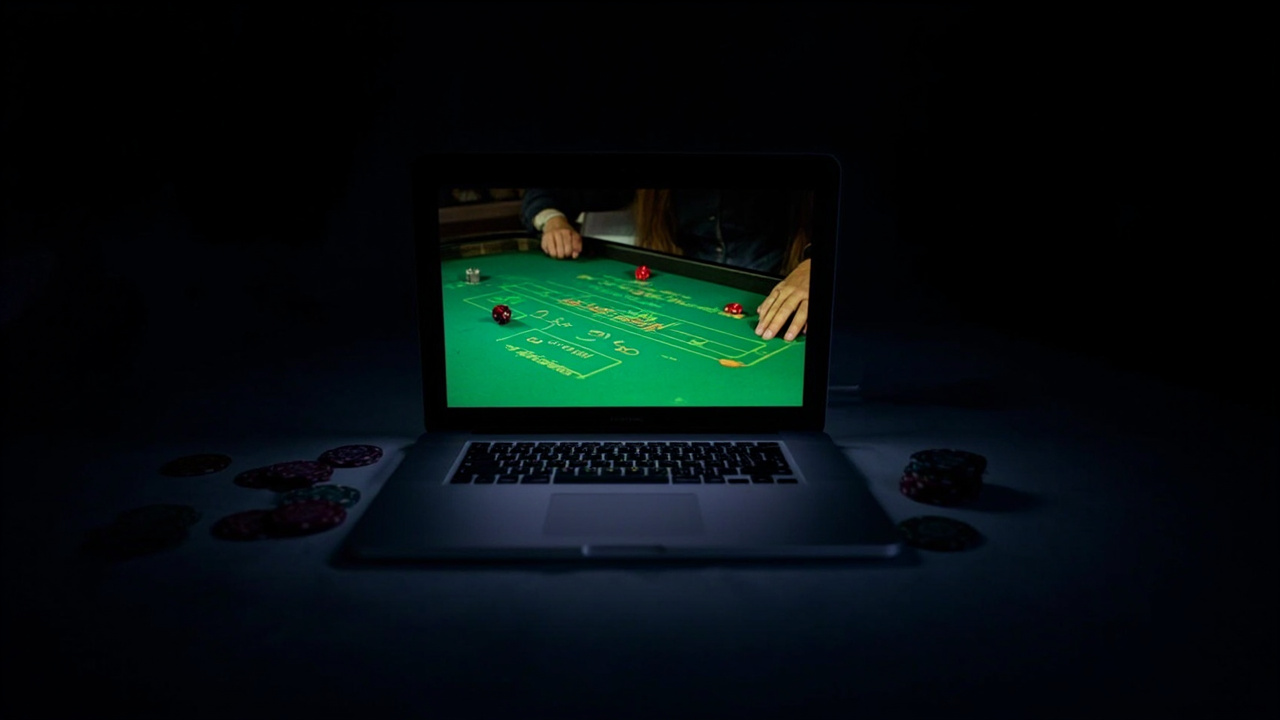
The first thing to settle is whether the game’s rhythm matches how you actually play. 21 plus 3 sits in a familiar card space, but the side-bet layer changes the pace and the variance in ways that catch some people off guard. I’ve seen art direction do a lot of heavy lifting here – when the 21 plus 3 table reads clearly at a glance, players make better calls under pressure. If you prefer steady, low-drama sessions, the main game is the sensible lane. If you enjoy the occasional pop of excitement from the bonus hand, the side bet is the hook, though it swings harder. A mate of mine who plays a few nights a week reckons the presentation helps, but he still sticks to the base game because the bonus hand eats into his session budget faster than he likes.
- Play the main table if you want a calmer rhythm and clearer bankroll control
- Try the side bet in small doses if you like extra upside and can handle the swings
- Skip the bonus hand entirely if you’d rather keep things simple and predictable
That choice is less about graphics and more about your own temperament, which is why I always tell people to treat the visuals as polish, not a promise.
How the art direction shapes what you notice
Presentation isn’t just decoration – it changes what your eye catches when the cards flip. The table uses a warm amber palette with soft shadows, and the card backs carry a subtle texture that keeps the layout from feeling flat. I’ve compared this approach to Playtech’s art-direction work, where the priority is always readability first and spectacle second, and that judgement call shows up here too. The pay lines and bonus triggers stay legible even on a smaller screen, which matters because a cluttered display makes a simple game feel harder than it is. When the 21 plus 3 elements are laid out with enough breathing room, you spend less time squinting and more time reading the hand in front of you. That’s the kind of design decision that quietly helps a session stay focused rather than turning into a visual scramble.
A beginner’s step-by-step guide to getting started
If you’re brand new to this, the easiest way in is to treat the first few minutes as a walk-through rather than a win-chase. Start by opening the game and just watching the first deal without pressing anything – that gives you a feel for the cadence and the screen layout. Next, place a small bet on the main table and observe how the hand resolves, because the base game is the simplest part to learn. After that, try the 21 plus 3 side bet with a tiny stake on one or two rounds so you can see how the bonus hand behaves without putting much at risk. If the pace feels right and the screen stays readable, you can settle into a bet size that fits your budget for the night. A mate who was completely fresh to card games found it helped to pause after every win and ask whether the session still felt comfortable, which sounds basic but keeps things from spiralling when the bonus hand fires.
Payouts, registration and the support you can expect
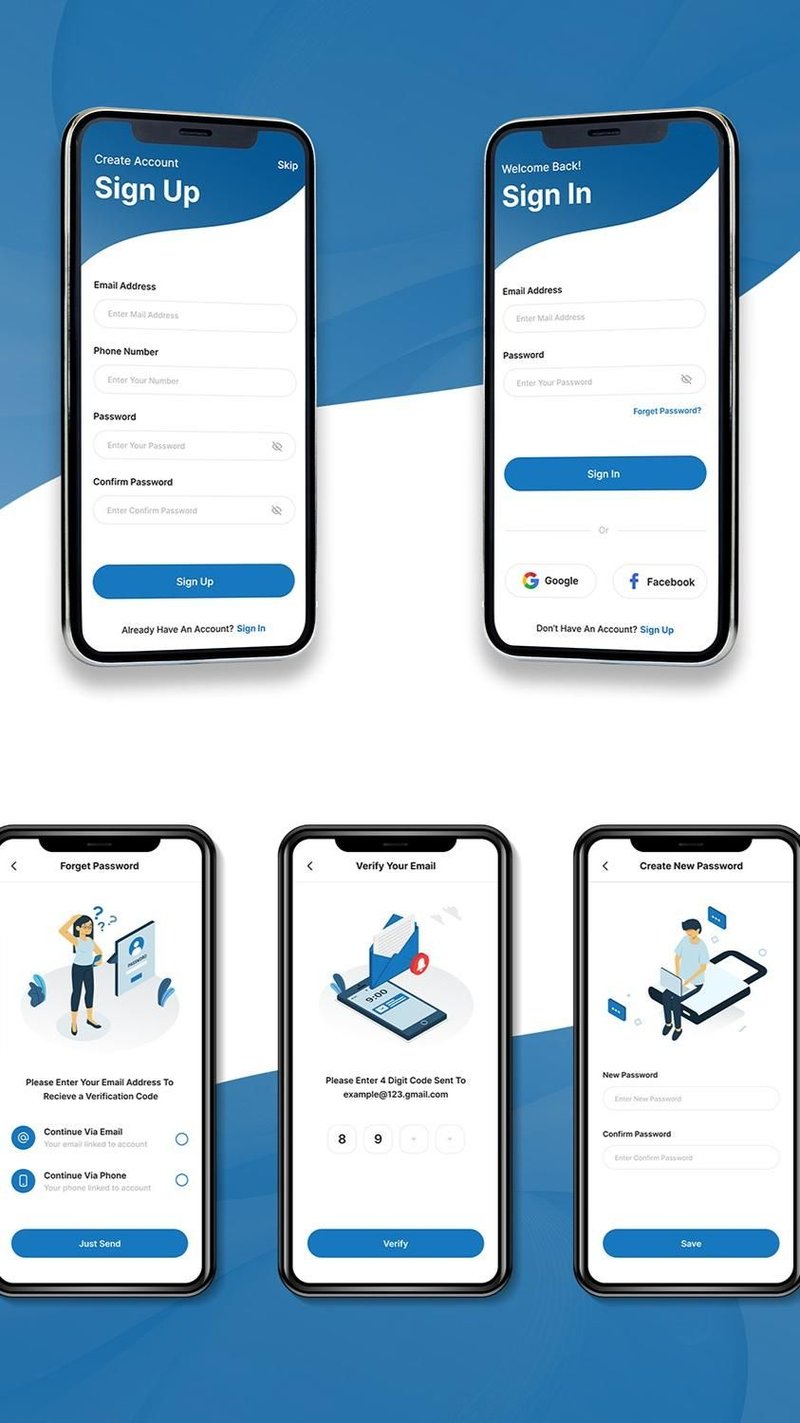
Money flow and sign-up details matter just as much as the table itself, because a game is only as good as the path around it. Registration is straightforward and asks for the usual details, with verification handled before any withdrawal is processed, which is the right order of things. The cashier supports common Australian payment methods and uses AUD as the base currency, so you’re not juggling conversions on every deposit or withdrawal. Limits sit at sensible levels for casual play, and processing times are in the normal range rather than anything remarkable. If you’re ever unsure about a step, the support team is reachable through the usual channels, and a responsible gambling adviser I spoke with, Isla Williams from Coral Coast Interactive, reminded players that clear limits and prompt support are the bits that actually protect a session. For a broader look at the platform around the game, you can check the casino’s own pages at kasoola, which is where the registration and cashier details live.
| Detail | What it looks like |
|---|---|
| Currency | AUD |
| Main payment methods | Common cards and local options |
| Verification | Before withdrawals, as expected |
| Support | Standard contact channels |
| Bonus hand | Extra variance, optional |
There’s no magic here – just a game that presents cleanly and a cashier that behaves the way it should. If the main table suits your style and the side bet doesn’t nudge you past your comfort zone, 21 plus 3 is a decent fit for a measured session. The art direction helps the table read well, the payment flow is ordinary in the best sense, and the choice comes down to how much variance you want in your arvo. Play within your limits, keep the bonus hand in perspective, and you’ll have a clearer idea of whether this one earns a regular spot on your rotation.