Keno Punt Strategy Built Around Real Priorities
Most punters treat keno like a lottery ticket, quietly hoping the balls land kindly. That mindset burns through bankrolls faster than any bad run. I have spent over eleven years managing loyalty and lifecycle campaigns at VGW, and the data always shows the same thing: players who understand their own priorities last longer than those chasing every number. A proper punt on keno strategy starts with knowing what you actually want from the session, not what the flashy board promises. When you treat the game as a structured pastime rather than a magic trick, the whole experience changes.
Picking a Platform That Matches Your Pace
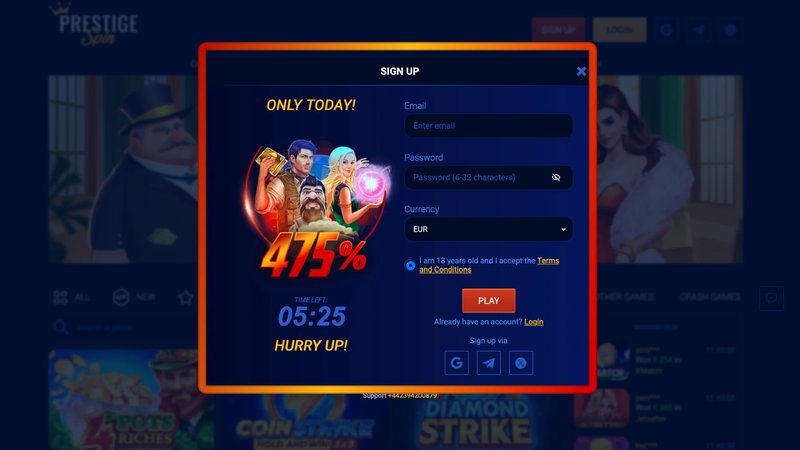
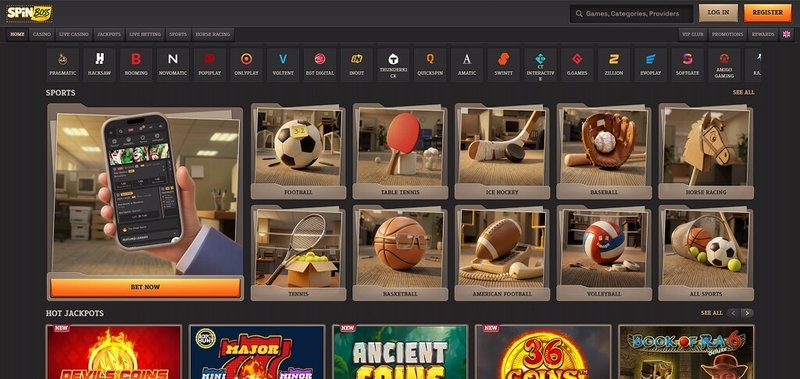
A keno session only works when the interface respects your time instead of racing ahead of it. You want a layout where the number grid is clear, the bet sliders respond without lag, and the local currency sits front and centre so you are never guessing at exchange rates. Registration should be straightforward, with a licence visible in the footer and support that actually answers before the next arvo rush. The best platforms keep the visual identity clean, avoid cluttering the screen with pop-ups, and make it easy to find your favourite games without digging through menus. If you are hunting for a quiet corner of the internet, you might compare a few options at goldenbetnodeposit.com before committing your first deposit. The point is not to chase novelty; it is to find a space where the navigation feels natural and the localisation matches how you actually play.
Shaping Your Keno Numbers Around Real Limits
The heart of a punt on keno strategy is deciding how many spots to mark and what that choice costs you per game. Marking fewer numbers raises the hit rate but lowers the payout ceiling, while chasing a full card turns every draw into a long shot. A sensible approach sets a fixed number of spots, a clear bankroll limit, and a stop point before the first ball drops. You might prefer a slow, patient run where each game builds toward a modest target, or you could favour a quicker pace with tighter stakes and a hard exit. The table below shows how different spot counts change the basic trade-off between frequency and payout potential.

| Spots Marked | Typical Hit Frequency | Payout Profile |
|---|---|---|
| 1-3 | Higher chance of a match | Smaller, more regular returns |
| 4-6 | Balanced middle ground | Moderate payouts, steady rhythm |
| 7-10 | Lower hit rate | Larger potential payouts, slower grind |
That choice matters more than any superstition about lucky digits. I have seen lifecycle data where players who fixed their spot count and stuck to it outlasted those who shifted tactics every ten minutes. The game does not care about your mood, but your bankroll certainly does.
Reading the Room Without Losing Your Head
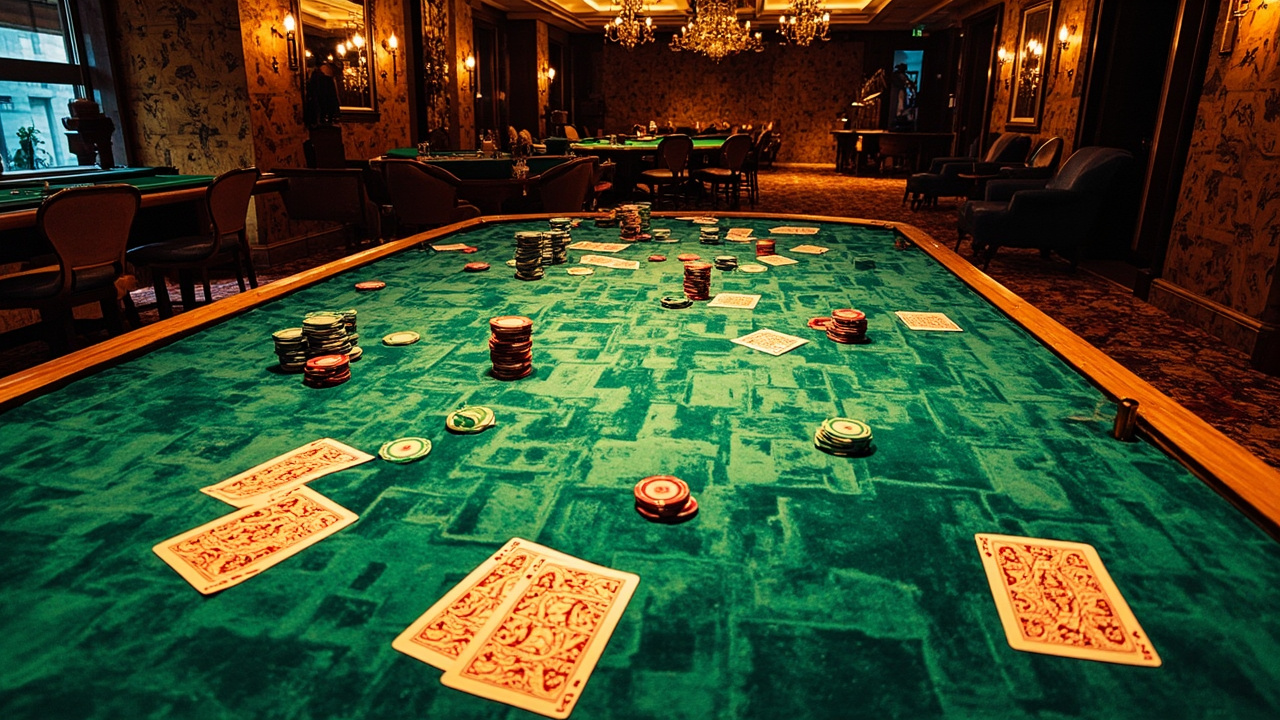
Keno is a game of pure draw mechanics, yet the way you sit with it changes everything. Some players treat a losing streak as a signal to chase, which is exactly how a quiet session turns into a costly one. A better habit is to watch the rhythm of the draws, note how often your spots actually land, and adjust your stake only when the numbers tell you to. Poker features in literature as a metaphor for risk and character, and the same idea applies here: the game reveals what kind of player you are when the results go against you. In Australia, genuine gambling winnings are generally not taxed as income for recreational players, so there is one less worry to carry into the room. On the compliance side, the ACMA can order internet providers to block illegal gambling sites, which is why sticking to a properly licensed operator protects more than just your balance.
Local Habits and a Wollongong Kind of Session
Playing keno well often comes down to fitting it into your actual routine rather than forcing it into a fantasy schedule. A Wollongong punter might slip a few games in during a lunch break at the plant, or save a longer session for a Sunday arvo when the family is quiet. The local scene rewards players who keep their stakes proportional to their day, not the other way around. You do not need a complicated system to make the game enjoyable; you need a clear limit, a comfortable pace, and the discipline to walk away when the numbers stop cooperating. A solid punt on keno strategy is really just a way of keeping the game honest, so it stays a pastime instead of a pressure cooker. goldenbetnodeposit.com
So the next time you sit down with a keno card, ask yourself the same question you should have asked before the first ball dropped: are you playing for the quiet rhythm of a measured session, or are you chasing a feeling that the next draw will finally turn the tide? The balls do not remember your stake, but your bankroll definitely remembers your choices.