Gather a few mates around a card table on a Tuesday arvo and the room changes instantly. Home poker game rules matter because they keep the night friendly, fair and actually fun, not a rowdy free-for-all. I’ve spent more than twelve years in equity capital markets, and the same discipline that keeps a deal pipeline honest applies here: clear rules, predictable payouts and a record of how the evening went. The focus below stays on ongoing value after the welcome offer, because that is where repeat play earns its keep.
Set the table before the cards go out
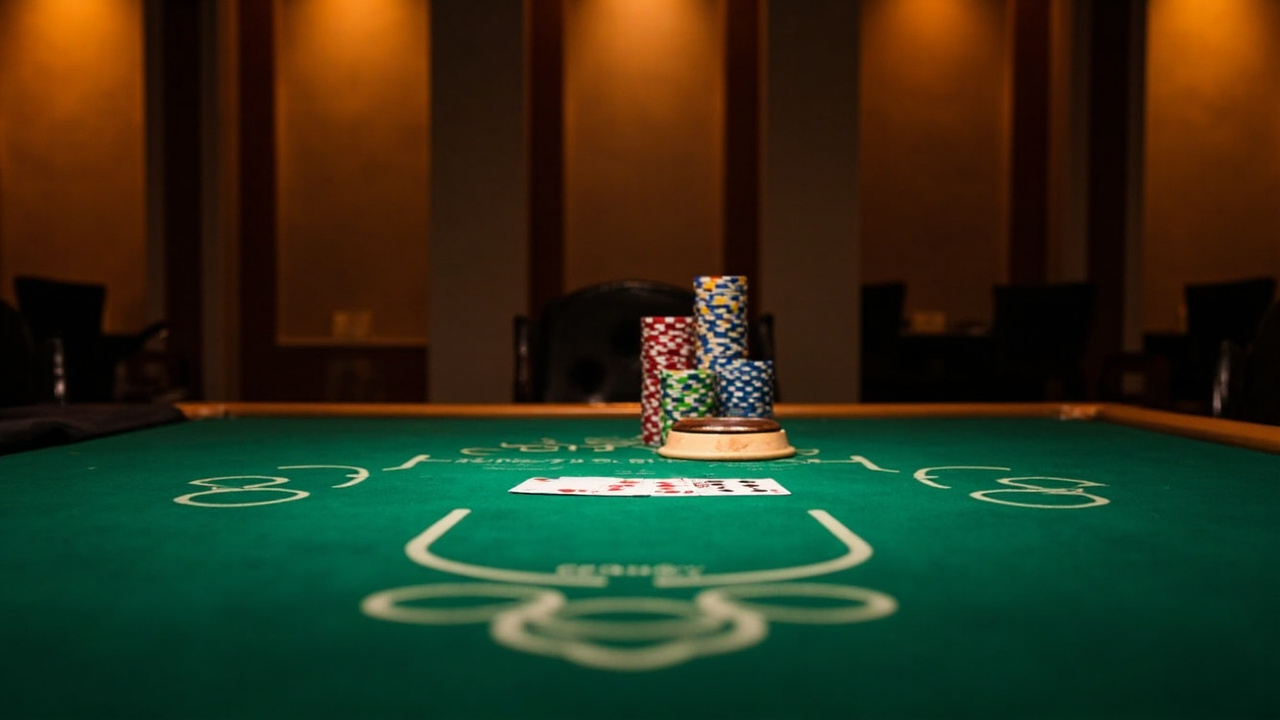
A solid home poker game rules setup starts with the written sheet on the wall, not the first deal. Decide the buy-in ceiling, the blind structure and whether rebuys are allowed, then write it where everyone can see it before the first hand. I treat this like a capital raise checklist: if the terms aren’t fixed up front, the evening drifts and someone always feels short-changed. Keep the buy-in modest enough that a bad run doesn’t ruin a mate’s week, and cap rebuys at one or two rounds so the game stays a skill contest rather than a bottomless wallet contest.
Annika Ryan, Head of Product, Wattle Gaming Partners, sees the same discipline in her work: “Players stay longer when the rules are visible and the pace is honest, even at a kitchen table.” That is the practical takeaway for any host running home poker game rules. A simple rotation for dealer duty, a clear rake or no-rake agreement, and a printed hand-ranking card on the side table remove most of the arguments before they start.
Keep the night running without the arguments
Blind structure that matches the crowd
The blind clock should fit the room, not the other way around. For a mixed crowd, start with 10/20 blinds and a ten-minute level, then move up only if the table is healthy and everyone has enough chips to act. I’ve seen nights stall because the levels jumped too fast and three players were sitting on pocket pairs with no action. If you want a steadier pace, run a fixed 15-minute level and let the antes kick in earlier, which keeps pots moving without pressuring short stacks into reckless calls.
If you need to adjust the pace or find more flexible options, you can always check https://rocketplaybonus.org/au/ for additional resources. When the group remains engaged, extending the time or increasing the blinds can keep the action lively without forcing anyone out prematurely. Ultimately, the goal is to maintain a steady rhythm that suits the players rather than rigidly sticking to a preset schedule.
Here is the short list I use when I’m setting up home poker game rules for a regular group:
- Print the blind schedule and stick it to the wall before the first shuffle.
- Set a fixed rebuy cap so the game stays a contest, not a wallet test.
- Agree on a rake or no-rake rule in writing, not after a big pot.
- Rotate the button and dealer duty so no one carries the table every night.
- Keep a spare deck and a chip count sheet so the night doesn’t stall on a recount.
Amelia Taylor, Product Analytics Lead, Southern Cross Gaming Advisory, points out that pacing drives retention more than any flashy side bet: “When the blinds move at a pace people can read, they make better decisions and the table stays full.” That is the kind of ongoing value that matters after the welcome offer, because the same group returns when the structure feels fair.
Disputes, etiquette and the slow roll
Most arguments come from unclear etiquette, not the cards. Call “time” before acting, protect your hole cards and never splash the pot when the action is live. A slow roll is the fastest way to sour a night, so make it a written rule that the winner is paid promptly and the table moves on. I judge a home game the way I’d judge a professional-services pipeline: if the process is clean, the outcome is trusted even when the cards go against you.
Oliver Evans, Head of Operator Partnerships, Wattle Gaming Partners, puts it plainly: “Good games survive on repeatability, not one-off drama.” That is the real ongoing value after the welcome offer – the same mates, the same structure, the same reason to come back next week. If you want a quiet comparison point, think of it like running a small Darwin office on a hot afternoon: the air con, the water cooler and the clear desk policy matter more than the fancy furniture.

Why ongoing value matters more than a one-off night
A one-off home poker game rules night is easy to organise, but the groups that keep showing up are the ones with recurring reasons to return. Think of it like the difference between a single promo and a loyalty loop: the first night gets people in the room, and the repeat value keeps the chair warm. In a home setting, that means a standing night, a small prize pool carryover, or a friendly tally that recognises consistent play rather than one lucky session.
No worries if the first night is a bit rough – the point is to build a rhythm. Some groups keep a simple running pot for the month’s best performance, others rotate a small trophy that travels between Darwin and the suburbs, and a few just keep the buy-in steady so everyone knows what they are spending. The key is that the value is visible week to week, not buried in a one-time bonus that vanishes after the first deal.
Verdict
If you want a night that holds together, write the home poker game rules down, pace the blinds to the crowd and treat the ongoing value as the reason people return. That is the player-fit verdict: a clear structure, honest etiquette and a repeat reason to come back beat any flashy one-off every time.