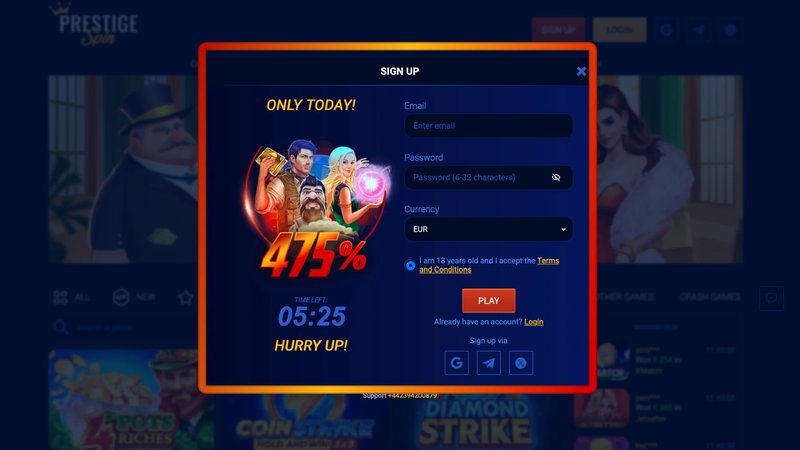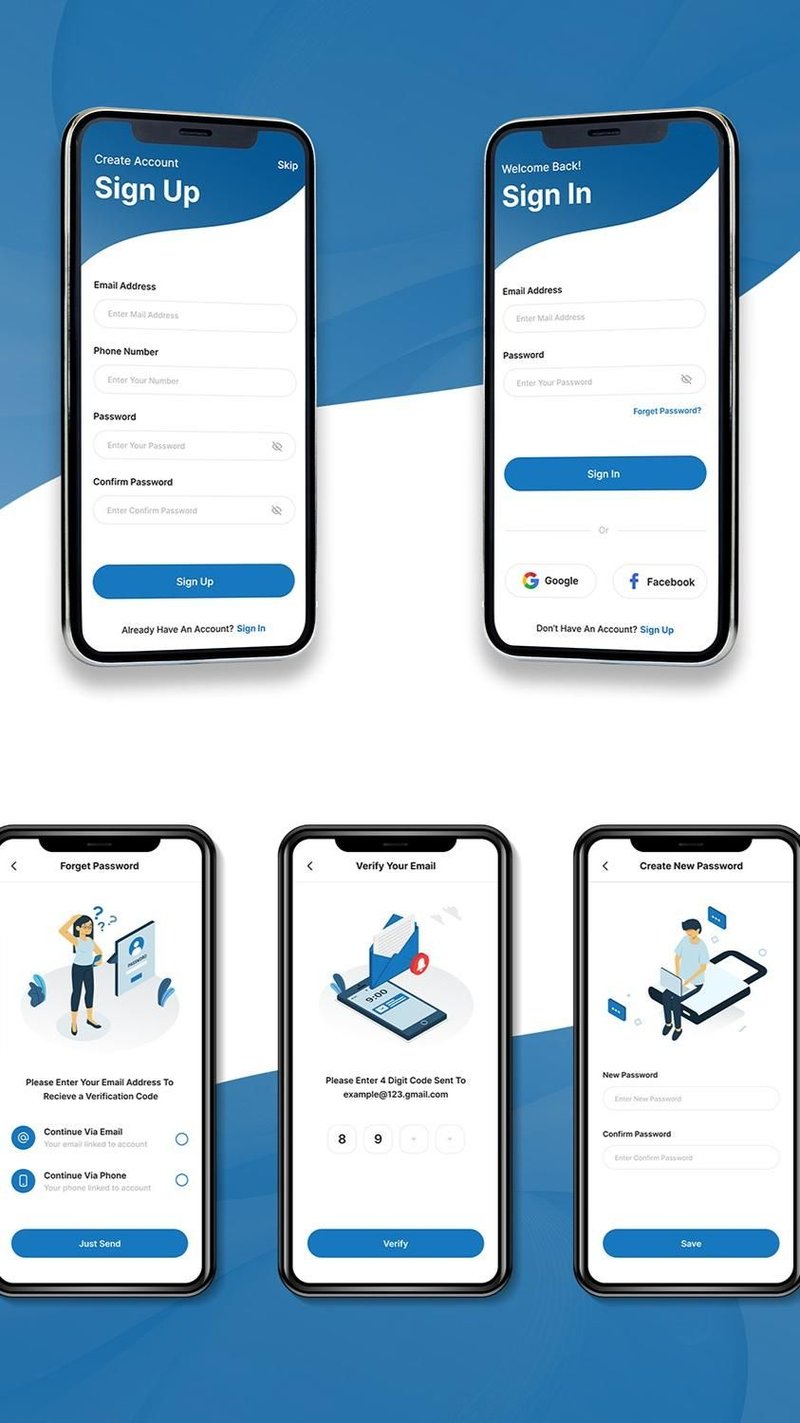
Casino games with wheel multipliers turn a standard spin into a moment of extra possibility, but they also reward patience and clear bankroll discipline. When you sit down in the arvo after a long shift, the reels and the bonus wheel should feel like entertainment, not a second job. This piece walks through how those multipliers behave, where they fit in a session, and what to watch for before you claim a bonus or tap through a the clubhouse casino login screen.
How Wheel Multipliers Actually Work
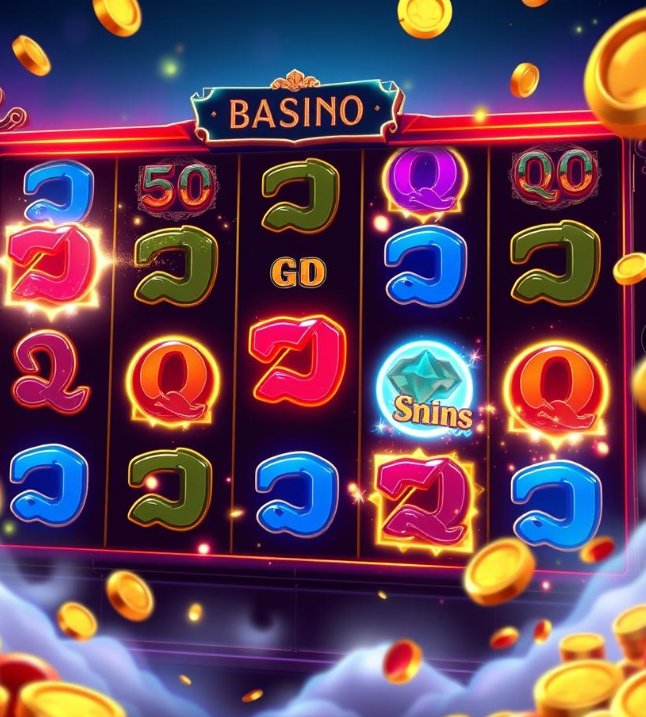
A wheel multiplier is usually a separate bonus trigger layered over the base game, rather than a single reel feature that fires randomly on every spin. In practice, that means the base game runs its normal maths, then a triggered round sends you to a wheel where segments might award 2x, 5x, 10x, or a similar multiplier applied to either the current win or a set of free spins. The exact behaviour varies by provider, so two titles that both advertise “wheel multipliers” can feel quite different once you are actually playing them.
From a commercial and product standpoint, I have seen operators treat these wheels as retention tools first and volatility drivers second. The wheel creates a visible, time-boxed event that keeps people engaged for a few extra minutes, and that is useful for session length and repeat visits. The catch is that a flashy wheel does not change the underlying return-to-player profile of the base game unless the rules explicitly say so, and some titles only apply the multiplier to bonus wins rather than the total session result. That distinction matters more than the animation quality.
Players who treat the wheel as a separate mini-game tend to manage their bankroll better than those who assume every spin is about to hit it. If your budget for the night is set, the wheel should be a bonus round you hope to land, not the reason you keep increasing stakes after a dry run. That mindset aligns with how regulated operators in other markets think about responsible design: the feature is there to entertain, not to persuade you to chase what the maths does not support.
Where the Real Value Lives After the Welcome Offer
The welcome offer gets attention, but ongoing value is what decides whether a site earns your repeat play. For casino games with wheel multipliers, the recurring promos, cashback, loyalty tiers, and tournament access often matter more than the first deposit match, because those are the mechanics that keep the wheel relevant across multiple sessions rather than just once.
Recurring promos tend to work best when they are tied to specific games or game groups rather than blanket reload bonuses. A weekly or fortnightly perk that gives a small multiplier boost, a free spin drop, or a temporary cashback window on a particular title can make the wheel feel part of a longer rhythm. The key is whether those promos are easy to read, easy to activate, and not buried under terms that make the actual value thin. If you have to decode a maze of wagering requirements just to understand what the promo is, the feature is doing more marketing work than player work.
Cashback is one of the more practical recurring tools for this style of play, because it softens losing sessions without pretending the game is “due” to pay. A sensible cashback arrangement usually applies to a defined period, often with a clear percentage and a clear cap, and it should be stated in plain English rather than hidden behind a loyalty tier you have not reached yet. That kind of structure is more useful than a vague promise of “regular rewards” because it gives you a concrete reason to come back without pretending the maths has changed.
Loyalty and VIP tracks can add real value when they reward play volume with things that matter: faster support, clearer bonus terms, occasional event access, or tangible perks that reduce friction. They are less useful when the tiers are so high that most players never see anything beyond the first level. Tournaments built around wheel features can be entertaining too, but they work best when the entry rules are transparent and the prize structure is not so skewed that only a handful of high-volume players ever have a realistic shot.
From a product analytics angle, James Stewart, Product Analytics Lead, Laneway Interactive Media, has noted that players who return for recurring promos and loyalty rewards tend to show steadier session patterns than those who only chase the first bonus, and that the most sustainable offers are the ones with simple terms and visible value rather than the ones with the biggest headline number.
Not every operator sees it that way. Some commercial teams lean hard on big initial bonuses and complex rollover rules because those numbers look strong in acquisition reports, even if the same structure can leave regular players with less practical value after the first week. Both approaches can be legitimate depending on the audience, but they do not deliver the same experience to the person actually spinning the wheel.
Choosing the Right Fit
If you are the kind of player who likes a clear session plan, look for titles where the wheel trigger is explained plainly and the multiplier application is specific. That usually means a game page or help section that says whether the multiplier applies to bonus wins only, whether it can stack with other features, and what the base game volatility looks like. Those details do not guarantee anything, but they do help you decide whether the game matches the way you want to play.
If you are more interested in the social side, recurring promos and tournaments can be the better fit, especially if the site runs regular events that give you a reason to return without forcing you into a high-stakes rhythm. A Perth player dropping in for an arvo session might care more about a simple cashback window and a readable loyalty ladder than a flashy first-deposit headline, because the local rhythm is often about fitting play around work, family, and the next round of drinks with mates.
If you prefer low-friction play, mobile setup and support access matter more than the spectacle. A site that is easy to register, easy to navigate on a phone, and easy to contact when something looks off will usually be a better fit for wheel-based titles than one that dazzles on the surface but makes basic account questions slow to resolve.
Keeping the Spin Grounded
Wheel multipliers can make casino games with wheel multipliers more engaging, but they still work best when you treat them as one part of a wider session rather than the whole point of it. Set a limit before you start, read the bonus terms that actually apply to the title you are playing, and pay more attention to recurring value than to a one-off welcome offer. If the site, the game, and the terms line up with how you want to play, the wheel stays fun. If they do not, no amount of animation will fix that.
Quick glossary
- Base game: the main spin or hand before any bonus wheel or special feature triggers.
- Bonus wheel: a separate round that awards a multiplier or similar prize, usually after a specific trigger.
- Multiplier: a number that scales a win or bonus round result, such as 2x or 5x.
- Cashback: a return of a portion of losses over a defined period, usually subject to stated terms.
- Loyalty tier: a level within a rewards programme that can affect perks, support, or bonus access.