Australian players often chase the highest return figure they can find, but that number tells only part of the story before you press spin. A strong theoretical return matters, yet it never guarantees anything on a single session or over a long afternoon. The real value sits in how a lobby balances those percentages with game depth, provider variety, and the practical mechanics that shape each bet. When you weigh return rates against the rest of the experience, you start seeing which platforms actually suit your style instead of just chasing a percentage on a lobby screen.
Reading Return Percentages Without the Hype

A return percentage is a long-term theoretical figure, not a promise attached to any single spin or session. Most quality providers publish these rates in the game info or paytable, and they usually sit somewhere between ninety-four and ninety-seven percent for modern video slots. That range is common across the industry, so treating anything above ninety-six percent as automatically superior misses how variance, hit frequency, and bonus frequency interact with your bankroll. I have spent years watching how users respond to metrics in SaaS and eCommerce, and the pattern is identical here: a single headline number rarely predicts satisfaction once real play begins. A slot with a slightly lower return can still feel more engaging if its features trigger often enough to keep sessions readable and your pacing under control. If you want to test that idea without committing funds, the Doghouse Megaways demo lets you watch how a high-volatility title behaves across dozens of spins before you decide whether its return profile suits you.
For a practical illustration of how these figures translate into actual gameplay, you can review the paytable and bonus mechanics on https://doghousemegawaysdemo.net/. Even with a published return rate in that range, short-term results will naturally vary due to the inherent randomness of each spin. Keeping this distinction in mind helps players approach the games with realistic expectations rather than chasing guaranteed outcomes.
How Lobby Design Changes the Way RTP Feels
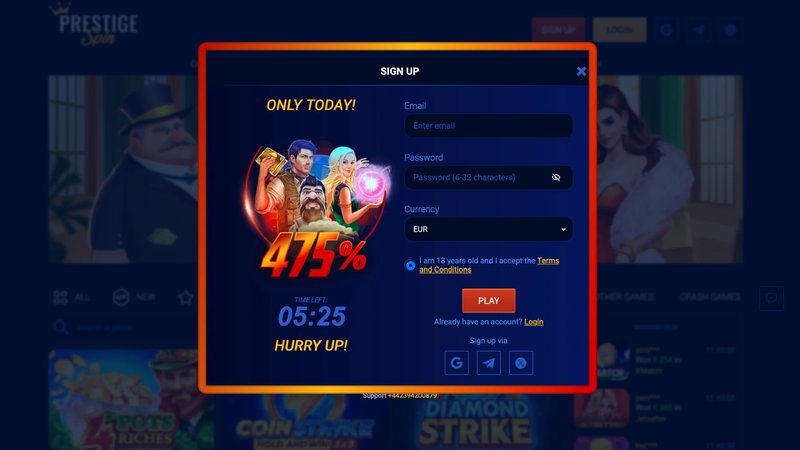
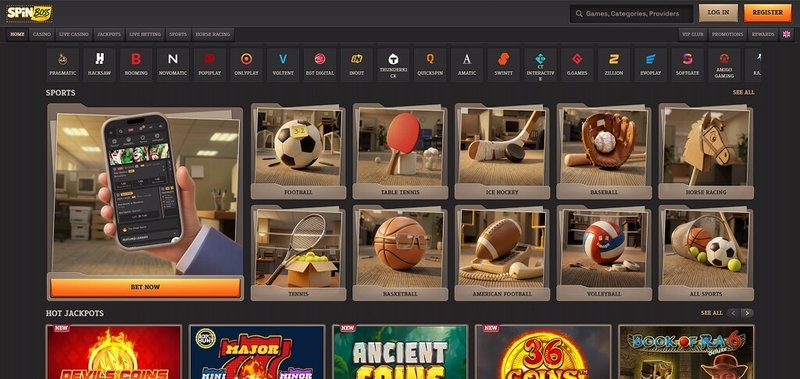
A lobby is where return percentages either make sense or get buried under cluttered menus and aggressive promotions. The strongest platforms group titles by provider, volatility, or feature type so you can compare similar games instead of scrolling past hundreds of unrelated thumbnails. A clean search function and sensible filters matter more than a long catalog, because discovery speed affects how often you stick with a game you actually understand. I have seen the same discovery problem in FinTech apps, where a crowded interface quietly kills engagement even when the underlying product is solid. A well-organised lobby also makes it easier to spot which providers consistently publish transparent game info, since those studios usually keep their paytables and return data easy to find. Sydney players tend to favour platforms that load quickly on mobile and keep popular local titles near the top, rather than forcing a long climb through unfamiliar releases. When the lobby respects your time, the theoretical return on each game becomes one factor among several instead of the only number you stare at.
Where RTP Meets Bonus Terms and Real Play
Return percentages mean little if the surrounding terms quietly distort how you can use them. A bonus might look generous on the surface, but wagering requirements, game weighting, and maximum bet caps can change which slots are actually practical during a bonus session. Some platforms weight certain games heavily, which means a high-return title might contribute less toward clearing the requirement than a lower-return alternative. That is why I treat bonus mechanics as a separate decision layer, not a decoration around the lobby. In my experience across lifecycle marketing, the offers that retain players are the ones with clear limits and predictable contribution rates, not the ones that drown you in fine print. A sensible approach is to check how each slot contributes to wagering, whether max bet rules apply during bonus play, and how quickly standard withdrawals move once verification is complete. When those details line up, the return figure on the slot finally sits in the context it deserves.
What Australian Players Should Weigh Before Choosing
The most useful choice usually comes from matching a platform’s structure to how you actually play, rather than chasing a single percentage. A few practical checks keep the decision grounded:
- Look for published return data inside the game info rather than relying on lobby averages.
- Check whether the lobby separates high-volatility titles from steadier games so you can pick a pacing that fits your session.
- Read the bonus terms for game weighting and max bet limits before you claim anything.
- Confirm that payment options and currency display match what you actually use, since constant conversions add friction.
- Test the mobile layout on a real device, because a lobby that feels fine on desktop can become awkward on a phone.
Olivia Watson, Marketing Director, Banksia Betting Partners, puts it plainly: “Players who focus only on return percentages often miss the lobby and bonus structure that actually shape their experience, and that is where most frustration starts.” A platform that balances transparent game info, sensible organisation, and clear terms will usually feel more useful than one that simply advertises a higher theoretical return.
Choosing a slot platform is less about finding a magic number and more about finding a lobby that makes those numbers readable, usable, and consistent with how you want to play. When return percentages sit alongside clear game info, sensible bonus terms, and a lobby that does not waste your time, the whole experience becomes easier to judge on your own terms. That is the practical standard worth aiming for, especially if you want your sessions to stay measured rather than driven by a single figure on a screen.