Live Casino vs RNG Casino: Choosing What Suits Your Play Style
Live Casino vs RNG Casino: Weighing the Decision Before You Play
When I cut my teeth on platform development, I learned the hard way that a slick interface means little if the cash flow behind it is sluggish. I measure every operator by that standard. The live casino vs rng casino debate is really a choice between human pacing and digital speed, and Geelong punters know the difference between a slow burn and a flat-out run. You want a fair go, not a slot machine dressed up as a high-stakes table.
Read the table before you commit
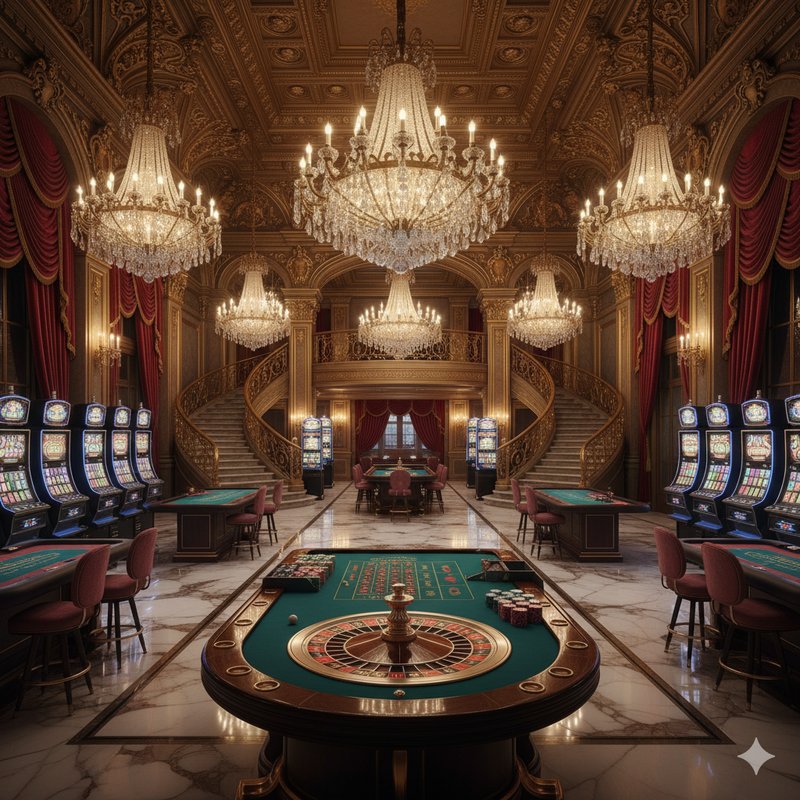
The clearest way to compare live casino vs rng casino is to line up the mechanics side by side, because the two formats run on entirely different engines. I spent three decades in creative industries before I touched slots, and that experience taught me to read the bones of a product before I trust it with real money. A live table relies on a human dealer, a streamed shoe, and real-time chat, so the pace breathes with the room. An RNG title runs on a certified random generator, which means every spin or hand resolves in a fraction of a second and the outcome is sealed before the animation finishes. That speed is the whole point, but it also means you need to check the volatility profile and the return-to-player figure rather than watching a croupier for tells.
| Feature | Live Casino | RNG Casino |
|---|---|---|
| Pace | Dealer-driven, real-time | Instant, algorithm-resolved |
| Interaction | Chat with dealer and table | None, solo play |
| Game variety | Blackjack, roulette, baccarat, poker variants | Slots, video poker, virtual table games |
| RTP visibility | Often published per table | Published in game info or paytable |
| Mobile fit | Stable stream, larger screen helps | Lightweight, loads fast on any connection |
I reckon most players in the arvo want the instant feedback of a digital game, but the ones who chase atmosphere will sit with a live stream until the late hours. The right call depends on whether you value the ritual of a dealt card or the clean certainty of a programmed outcome.
Follow the money through the cashier
Payment flow is where I draw the line, because a polished game library is useless if the cashier stumbles when you try to move funds. I have sat through enough platform builds to know that deposits should clear in minutes, withdrawals should follow a transparent queue, and verification should be upfront rather than hidden behind a vague promise. A solid operator keeps AUD as the base currency, accepts familiar methods like card payments, trusted e-wallets, and direct bank transfers, and sets clear limits on each channel. You want to see the processing window stated plainly, not buried in a FAQ, and you want the same currency throughout so you are not watching exchange spreads eat into your balance.
The live casino vs rng casino comparison matters here too, because some platforms treat table play and slot play as separate cashiers with different rollover requirements and different withdrawal queues. I have seen products where a bonus on a live table carries a heavier playthrough than a bonus on an RNG title, and that difference can turn a generous-looking offer into a slow grind. You should read the bonus mechanics as a set of conditions, not as a promo banner, and check whether the wagering applies to the game type you actually intend to play. If you want a closer look at how a modern slot handles its paylines and bonus triggers, you can walk through https://legacy-of-dead-au.com/ and see how a single title lays out its features without any dealer in the room.
Support and registration should match that same standard. A clean sign-up asks for the details it actually needs, a mobile build keeps the cashier reachable without forcing you through three menus, and loyalty rewards should stack in a way you can read at a glance. I have no time for platforms that make you hunt for the verification status or hide the withdrawal limits behind a generic terms page. The right setup feels ordinary in the best way, because ordinary means predictable.
Decide by the way you want to play
The final question is not which format wins, but which one fits the session you actually want to run. I judge this the same way I judged creative pitches twenty years ago: look at the audience, look at the product, and do not pretend they are interchangeable. A live table suits players who want the rhythm of a shared room, the cadence of a dealer calling the bets, and the patience to let a hand or a wheel spin at its own pace. An RNG game suits players who want a faster loop, a tighter control over bet size, and the ability to move from one title to another without waiting on a stream.
I have seen players in Geelong switch between the two in the same evening, starting with a live roulette table for the atmosphere and then moving to a slot when they want a quicker turn. That kind of mix works when the platform keeps the transition simple and the cashier consistent, because jumping formats should not mean jumping through hoops. You should also weigh the support window, the mobile stability, and the loyalty structure, since those pieces decide whether a session ends cleanly or drags into a frustrating search for answers.
The slang says she’ll be right, but in this industry she’ll be right only if the operator has done the boring work properly. A fair go comes from clear terms, honest RTP, and a cashier that moves when it says it will. Pick the format that matches your patience, check the payment flow before you deposit, and treat every bonus as a set of conditions you can actually meet.