When you step into a Brisbane club on a Saturday arvo, the betting screens and poker machines tell one story, but the legal landscape behind them is quite another. I’ve spent years coordinating recruitment across iGaming and finance teams, and the same compliance discipline that keeps staffing workflows clean applies here: know the rules before you commit. This punter guide to gambling laws australia is built around that mindset, because understanding what is and isn’t permitted shapes how you read a welcome offer and where your money actually sits.
What the law actually covers for Australian punters
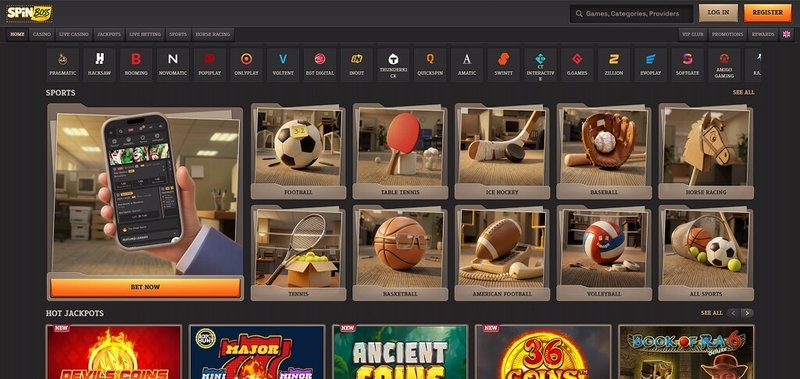
Australian gambling law is less a single rulebook and more a patchwork of state and federal pieces, and that split matters when you’re deciding where to place a wager. The Interactive Gambling Act 2001 sets the federal frame, which means live sports and racing markets are generally available, while online casino-style games sit in a different category. States handle licensing and venue oversight, so a machine floor in South Australia runs under different local conditions than a sportsbook account you open on your phone. Adelaide Casino opened inside the old railway station in 1985, and that kind of land-based heritage still sits alongside today’s mobile-first habits. I’ve seen remote coordination teams treat jurisdictional clarity the way an ATS treats role eligibility: if the criteria don’t match, the application doesn’t proceed cleanly. That same filter applies to your own play. You’re looking for operators that hold the right local licences, display them plainly, and keep their terms aligned with Australian expectations rather than vague offshore wording. The practical takeaway is simple: the law doesn’t treat every betting product the same, and your choices should reflect that split rather than assuming one rule covers everything.
How welcome offers and ongoing promos stack up
A welcome package looks straightforward until you read the conditions, and that’s where most punters lose the plot. The offer structure usually starts with a match or free spins, but the wagering requirement is the real gatekeeper. A common setup might ask you to roll over the bonus amount several times before any withdrawal clears, and not every game contributes equally to that target. Slots often count fully while table titles or live dealer games sit at a reduced percentage, which means a busy session on the wrong product can stall your progress without you noticing. Eligibility can hinge on your location, your deposit method, and whether your account is fully verified before the bonus activates. Limits matter too, because a headline figure rarely tells you the max withdrawal cap or the time window attached to the promo. Recurring promotions, like reload offers or loyalty credits, tend to be smaller but more predictable, and I’d rather plan around a steady Tuesday reload than chase a one-off headline that only pays out under narrow conditions. If you want to test the mechanics without committing your own stake, a demo run on a title like big-bass-splash-demo-au.com can show you how the bonus meter behaves before you place a real wager. The trade-off is always the same: bigger headline numbers usually come with tighter contribution rules and shorter windows, so read the fine print before you deposit.
Mobile habits, local safeguards, and where the limits sit
Betting from the couch during an AFL broadcast is now the norm, and that convenience is exactly why responsible gambling safeguards are built into the account settings rather than tacked on later. Australian operators are expected to offer deposit limits, time-outs, and self-exclusion tools, and those controls are meant to be accessible before you chase a losing streak. State-level differences still show up in how venues and operators manage access, but the mobile layer is where most punters feel the shift. I’ve coordinated teams where a broken workflow meant a candidate sat in limbo for days, and the same frustration applies when an account verification step is unclear or a withdrawal queue is poorly explained. Clear support channels, visible licence details, and straightforward terms reduce that friction. The limits you set for yourself, whether it’s a weekly cap or a session timer, are the part of the process you actually control. No bonus changes the odds, and no promo makes a risky session safe, so the sensible approach is to treat the offer as a temporary boost rather than a strategy. When the promo window closes, the terms you agreed to still apply, and that’s the detail worth keeping in mind before you tap deposit. big-bass-splash-demo-au.com
The clearest way to approach any offer is to treat the conditions as the starting point, not the fine print you skim later. Match the product to the rules that apply, check how each game counts toward wagering, and set your own limits before the first deposit goes through. A promo can extend your play, but it doesn’t change the underlying law or the house edge, so the punter who reads the terms first is the one who avoids the surprises.