I sat down with the team behind Independent Gaming Pty Ltd to talk about where the product is heading, and Lawrence Shepherd, managing director, cut straight to the point: the pace of play is the real selling point, not just the card count. He reckons the six-card deck strips out the low-end noise that slows down heads-up and shorthanded tables, which suits a busy arvo when punters want action rather than a long grind. That view shapes how we’re looking at short deck poker tournaments across our own floor planning and supplier conversations, because the format needs backing from a operator who understands the maths behind the faster deal cycles.
What Short Deck Poker Tournaments Actually Offer

Short deck poker tournaments run on a stripped deck, usually 36 cards once the twos through fives are pulled, and that shift changes the hand rankings in a way that catches a lot of first-timers off guard. A flush now beats a full house, and the higher card density means more action on every street, which is exactly why the format has stuck in some rooms rather than fading as a gimmick. From a commercial standpoint, the product works best when the blind structure is tight and the re-entry rules are clear, because players who expect Texas Hold’em pacing can get frustrated if the tournament clock runs hot without warning. Shepherd noted that supplier pitches need to show a sensible blind schedule and a transparent rake model, since a flashy format with a murky fee structure won’t hold up under commercial review.
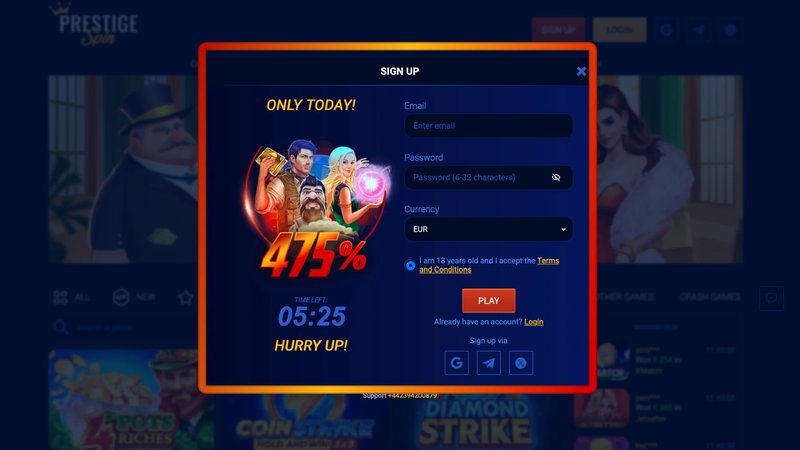
The everyday usability is pretty straightforward once you’ve played a couple of events, and that’s a real advantage for rooms trying to fill a midweek session without running a full tournament calendar. Mobile delivery matters here, because a lot of punters want to check in from the couch or while waiting on a shift, and the smaller deck keeps the screen readable without crowding the action. A couple of operators have been trialling loyalty points that drop faster in short-deck events, which makes sense if the hands-per-hour rate is genuinely higher, though I’d want to see that verified before calling it a sure thing. The registration flow should be quick and the currency options need to match what the local crowd actually uses, because nothing kills a session faster than a payment step that feels like a detour.
How the Format Plays Out on the Floor
The rhythm of a short deck event is where the format earns its keep, and I asked Shepherd how he sees that landing in a real room rather than on paper. He said the deal speed climbs quickly once the table gets comfortable with the new rankings, and that’s a genuine benefit for rooms running multiple tables on a tight staffing budget. The caveat is that the action can feel relentless, so a room needs a solid floor manager who can keep the pace steady without rushing players through decisions they actually want to think about. That balance is the sort of operational detail that separates a well-run event from one that just feels busy for the sake of it.
We touched on how the format fits alongside a regular tournament schedule, and Shepherd’s view was that short deck works best as a targeted session rather than a replacement for deeper-stack events. It suits shorthanded tables and heads-up brackets, and it can be a good filler when you’ve got space on the floor but not enough players for a big field. He also flagged that supplier support needs to cover more than just the software, because a room wants clear rulesheets, quick reference cards, and a floor team that understands the flush-over-full-house quirk without having to stop the game to check. That kind of support is what makes the product usable on a Tuesday arvo, not just on a launch day.
The Commercial and Supplier Side
The commercial piece is where a managing-director lens matters, and Shepherd was candid that short deck poker tournaments need a supplier who can show a sensible rake and a clean payout structure before any room should commit. He compared the format to some of the faster side games we’ve trialled in the past, and his judgement was that the maths has to stack up for both the operator and the player, otherwise the event looks lively on the board but doesn’t hold up over a full run. That’s the sort of call you only make when you’ve looked at the numbers behind the deal cycle, not just the novelty of a smaller deck.
I brought up the broader supplier landscape with Cameron Davies, Chief Financial Officer, Brighton Beach Betting Lab, and he warned that any faster-paced format needs a transparent fee model before it gets scaled, because a room can’t afford a product that looks busy but quietly erodes margins. His point was that the commercial case has to be visible in the first week of operation, not after a few months of patching holes in the structure. On the player-facing side, Emily Parker, Sports Betting Analyst, Southern Reef Gaming, reckoned the format’s appeal is real but it’s still a niche for punters who already know their way around Hold’em, so the onboarding has to be clear and the rules need to be front and centre before the first blind goes up.
Who the Format Fits Best
The player-fit verdict is pretty straightforward: short deck poker tournaments suit punters who want a faster, more action-heavy version of Hold’em and don’t mind relearning one or two hand rankings before the first session. It’s a solid pick for regulars who are comfortable with shorthanded play and want a change of pace, and it can work well for rooms that have the floor space and staff to keep the pace steady. It’s less ideal for newcomers who expect a slower grind, or for operators who haven’t sorted out the blind structure and support materials before launch.
Shepherd’s own view was that the format deserves a place in a thoughtful tournament calendar, but only where the operator has done the homework on pace, rake, and floor support. That’s a fair call, and it’s the kind of judgement that keeps the product from being oversold as a cure-all. If you’re weighing it up, the right move is to look at the blind schedule, the support on offer, and whether the room can actually sustain the faster rhythm without cutting corners. For the right crowd and the right setup, short deck can be a worthwhile addition; for everyone else, it’s worth waiting until the details line up.
If you’re keen on a faster card game between sessions, you can also have a look at how a plinko ball x2 runs on https://plinko-play-au.com/ as a separate way to fill a quiet stretch.
Glossary
- Short deck: a Hold’em variant played with 36 cards after removing twos through fives.
- Flush over full house: the ranking change in short deck where a flush beats a full house.
- Shorthanded: a table with fewer than the usual nine players, often six or fewer.
- Blind structure: the schedule that sets how much the small and big blinds increase over time.
- Re-entry: a rule that lets a player buy back in after losing their stack, if the event allows it.