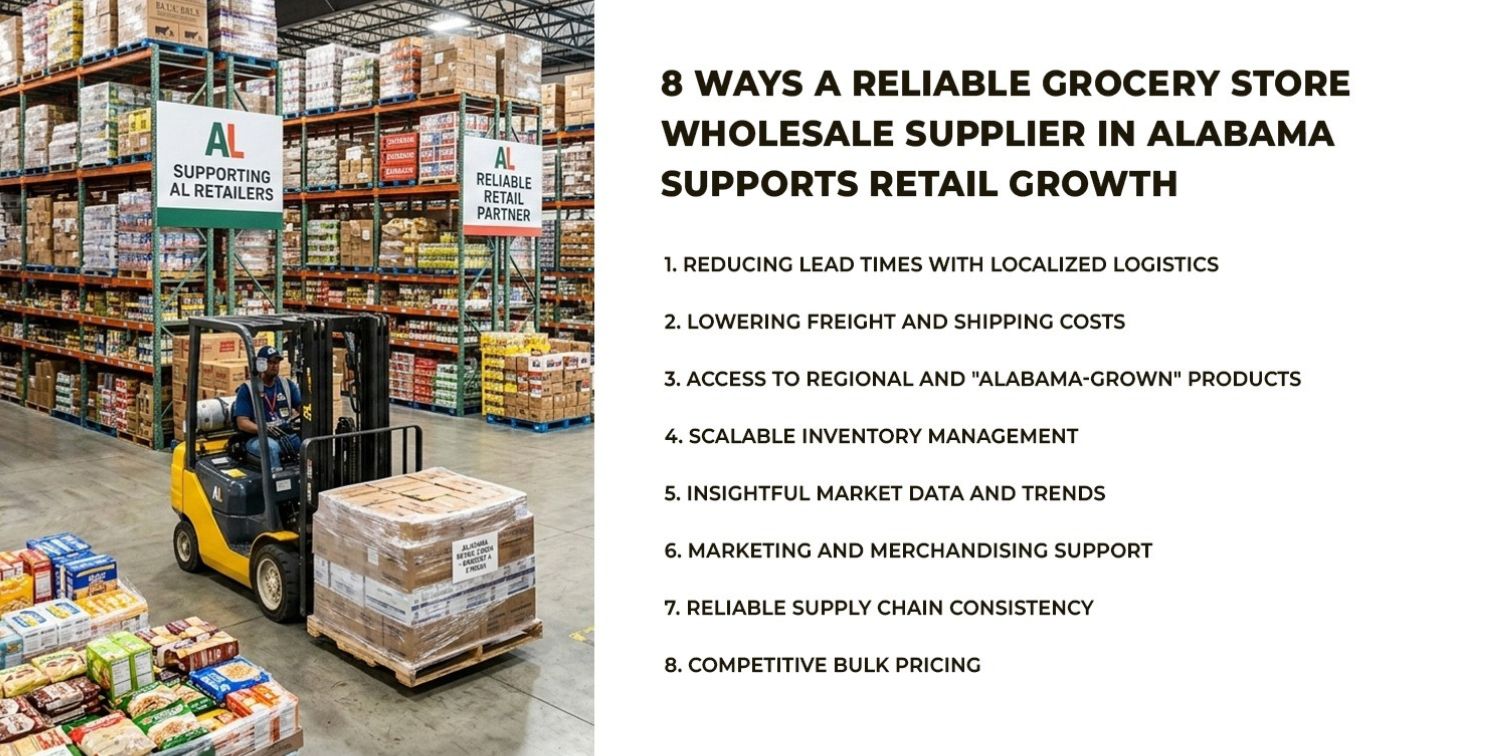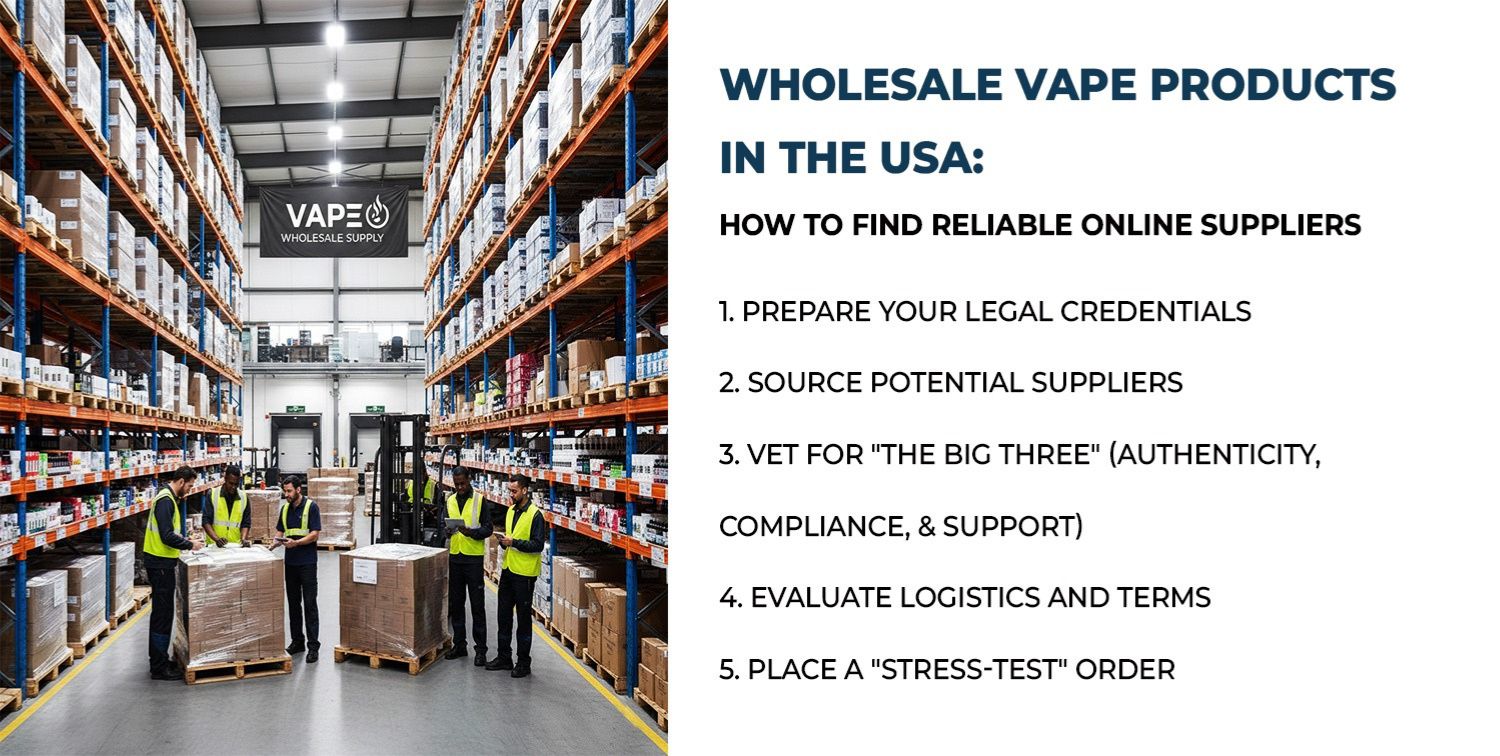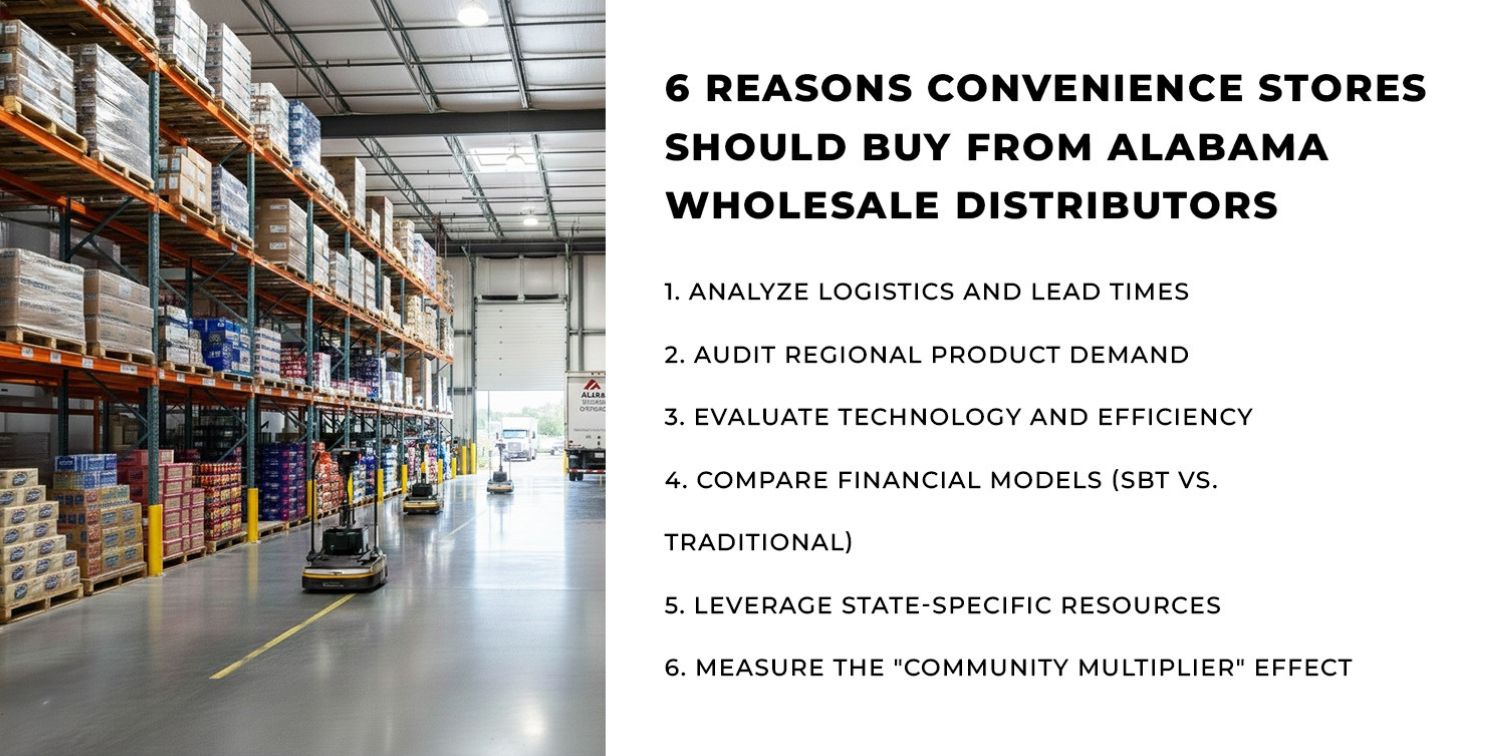
Managing inventory is one of the most critical aspects of running a successful grocery store. Ensuring that your shelves are stocked with the right products at the right time not only prevents shortages but also avoids overstocking, which can lead to waste. Partnering with a reliable grocery store wholesale supplier in Alabama can simplify this process, but smart inventory management strategies are still essential.
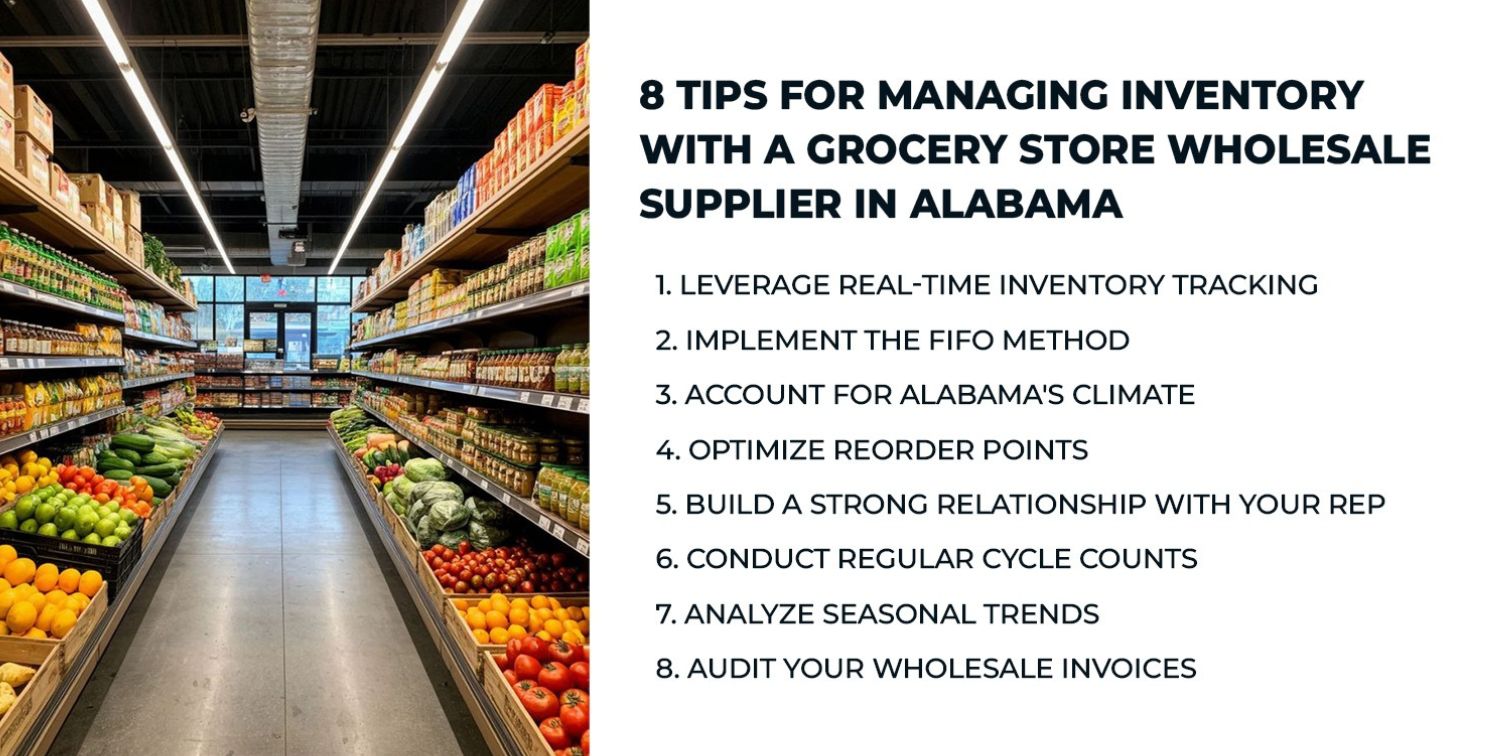
Here are eight practical tips to help you manage your inventory efficiently and maximize profitability.
1. Understand Your Product Demand
Before you can manage inventory effectively, you need to understand what your customers want. Analyzing sales trends will help you determine which products move quickly and which sit on the shelves.
- Track daily and weekly sales data to identify top-selling items.
- Factor in seasonal demand fluctuations for products like beverages or holiday items.
- Collaborate with your grocery store wholesale supplier in Alabama to anticipate demand spikes.
Knowing your demand patterns allows you to order the right quantities, reducing the risk of running out or overstocking.
2. Maintain Strong Supplier Relationships
A strong relationship with your supplier is key to effective inventory management. Reliable suppliers can provide timely deliveries and flexible order quantities when needed.
- Communicate regularly with your grocery store wholesale supplier in Alabama.
- Discuss your stock requirements and upcoming promotions.
- Consider having backup suppliers for high-demand or specialty products, such as when working with a vape store wholesale supplier in Alabama.
Trust and communication with your supplier ensure you can respond quickly to market changes.
3. Implement an Inventory Management System
Modern inventory management systems streamline stock tracking and reporting. Using technology reduces manual errors and saves time.
- Choose a system that integrates with your POS (Point of Sale) system.
- Automate reordering for fast-moving products.
- Track expiration dates for perishable items.
With a digital system, you can monitor your inventory in real-time and make informed decisions about ordering from your grocery store wholesale supplier in Alabama.
4. Categorize Your Inventory
Organizing your products into categories simplifies tracking and helps identify trends.
- Group items by type, brand, or popularity.
- Create separate categories for seasonal or promotional products.
- Include special categories like tobacco or vape products, which you might source from a vape store wholesale supplier in Alabama.
Categorization also helps your staff find items quickly, improving store efficiency.
5. Monitor Stock Levels Regularly
Regularly monitoring your stock levels helps prevent both shortages and overstock situations.
- Conduct weekly physical counts of high-demand products.
- Compare your counts with your inventory system reports.
- Adjust your orders with your grocery store wholesale supplier in Alabama based on real-time data.
Proactive monitoring ensures your shelves are always stocked and ready for customers.
6. Use the First-In, First-Out (FIFO) Method
The FIFO method ensures that older products are sold before newer stock, reducing waste and spoilage.
- Label products with arrival dates to track inventory rotation.
- Train staff to restock shelves with the oldest items first.
- This is especially important for perishable goods like dairy, produce, or beverages.
FIFO is a simple yet effective technique to maintain product quality and profitability.
7. Forecast and Plan Ahead
Effective inventory management requires forward-thinking. Anticipating future demand helps avoid emergency orders and last-minute stockouts.
- Analyze past sales data to forecast future needs.
- Plan for seasonal spikes, holidays, and local events.
- Coordinate with your grocery store wholesale supplier in Alabama to schedule timely deliveries.
Accurate forecasting ensures your inventory levels are optimized for both regular and peak periods.
8. Maintain Safety Stock
Safety stock acts as a buffer against unexpected demand or supply delays.
- Identify fast-moving products and keep extra units on hand.
- Determine safety stock levels in consultation with your supplier.
- Consider safety stock for specialty items, such as those from a vape store wholesale supplier in Alabama, to avoid shortages.
FAQs
Q1: How often should I review my inventory with a grocery store wholesale supplier in Alabama?
A: Ideally, review inventory weekly for fast-moving items and monthly for slower-moving stock to adjust orders and prevent shortages.
Q2: Can a digital inventory system integrate with a vape store wholesale supplier in Alabama?
A: Yes, most modern inventory systems allow you to track multiple suppliers, including vape and specialty product suppliers, making stock management seamless.
Q3: What is the best method to track perishable items?
A: Use the FIFO method and clearly label products with arrival and expiration dates. Digital tracking can further reduce errors.
Q4: How can I reduce overstock while maintaining enough inventory?
A: Forecast demand accurately using sales data, maintain safety stock, and communicate with your suppliers regularly to adjust orders based on real-time needs.
Conclusion
Effective inventory management is a combination of strategy, technology, and strong supplier relationships. By understanding your product demand, maintaining accurate stock records, and collaborating with a grocery store wholesale supplier in Alabama, you can streamline your operations, reduce waste, and increase profitability. Additionally, leveraging specialized suppliers, such as a vape store wholesale supplier in Alabama, ensures that niche product demands are consistently met.
Implementing these eight tips will help you stay organized, prepared, and ready to meet the demands of your customers efficiently.